
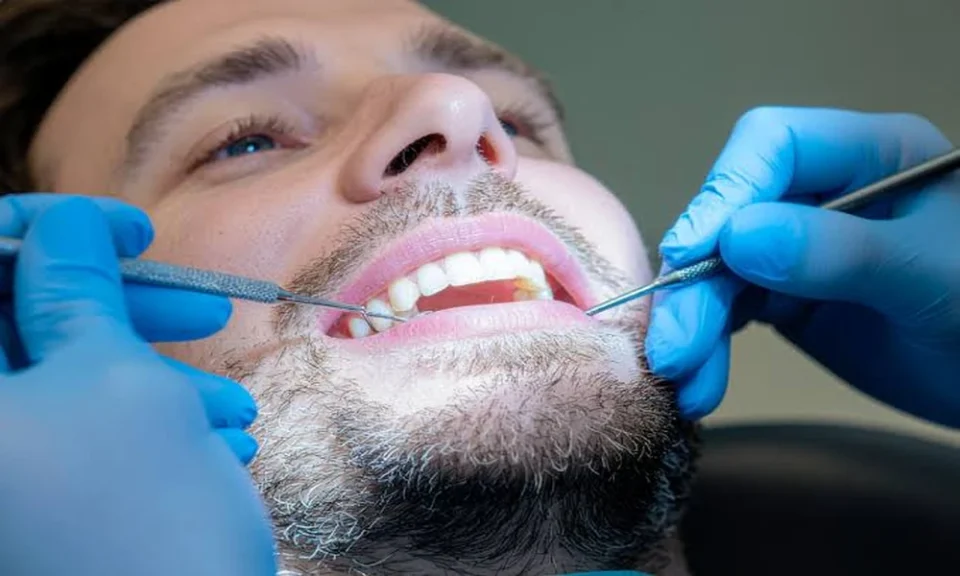
Ignoring a toothache is easy at the beginning. Many believe that the pain will vanish on its own, or things will improve in a very short time. However, there are certain toothaches that can escalate rapidly in severity and become dental emergencies requiring immediate treatment by a dentist. Patients who search for urgent dentistry in Dulwich Hill seem to have symptoms worse than the average sensitivity and are beginning to interfere with normal everyday living. What to do when a toothache becomes an emergency could even safeguard your dental wellbeing and help prevent larger troubles.
Not every ache needs to be taken care of instantly, but you should not miss out on vital signs.
Recognising When A Toothache Is More Than Minor Discomfort?
Many causes of mild tooth sensitivity are found while eating hot and cold foods. If the symptoms are severe, long-lasting or worsening over time, it is usually a sign of an emergency.
It is all good and dandy when your tooth can deal with root canal therapy, but if you have pain so severe that it affects your ability to eat or sleep or concentrate, there may be an issue of a bigger nature inside the tooth or in the tissues surrounding the tooth. You may want to seek medical care right away if you feel intense throbbing pain, sharp pain in your bite, or any pain radiating into the jaw or face.
The body usually indicates that something deeper down is more important and needs attention, in the form of pain.
Pay Attention To Swelling And Inflammation
Whenever your tooth hurts and gets in, be careful. Swelling of the gums, cheeks, or jaw may mean that an infection is spreading beyond the tooth.
If the process is not managed, an infection can multiply rapidly and damage nearby tissues. The tongue may be swollen as well, making it difficult to chew, speak or even open wide.
Seeking help from a professional as soon as possible could go to the very source of the issue you are facing, so it does not escalate any further.
Do Not Ignore Signs Of Infection
But, there are certain signs that might show you are suffering from a dental sickness. Unless you have recurrent symptoms like constant pain, swelling of the jaw or increasingly nasty taste in the mouth with drainage from around the injured tooth.
And sometimes patients may also have a fever or feel sick all over. These symptoms can be an indication that the bacteria start to burrow not just deeper within the tooth but into surrounding tissues.
Most dental issues will not solve on their own. More often than not, immediate professional assistance is required to eliminate the disease and prevent its activation.
Protect The Tooth Until You Can Be Seen
If you have a bad toothache, a few easy steps can prevent it from worsening until you visit the dentist.
For as long as possible, refrain from chewing on the sore side of your mouth. Foods that are very hot, cold or sweet may cause pain and should also be avoided if they are making it worse.
It is also important to stay on top of gentle oral hygiene. During your wait for the dentist, keeping it clean can prevent bacteria from forming.
Understand The Risks Of Delaying Treatment
There are so many individuals who attempt to make it through intense tooth discomfort on their own for long periods of time. Short-term painkillers might take the edge off the signs, but they’ll never ever eliminate the root of what in fact causes you to ache.
Conditions such as deep cavities, fractured teeth, infected pulp tissue and abscesses can worsen with time. Delaying treatment can lead to more invasive treatments further down the track.
Dentists can typically preserve more of the original tooth structure, with better long-term results, if they intervene sooner rather than later.
Emergency Evaluation Helps Identify The Cause
Tooth pain can be the result of a variety of tooth problems. The exact reason needs a professional examination and, in some cases, diagnostic images.
An emergency dentist works to assess and determine if the issue is a result of disease, injury, cavity, gum disease or something else. Once the cause of the pain is discovered, a solid treatment strategy can be constructed.
In case of two dental issues that are not the same, their treatment is also different, so as a result, a correct evaluation is very much necessary, especially when you have a skipping stone on your cheese platter.
Supporting Long-Term Oral Health
This aspect only contributes to the solution of a dental emergency toothache. Having follow-up care can keep dental crises at bay for the future, along with regular checkups.
Even regular checkups have been found to catch the disease in a user phase, well before they become painful conditions. Similar to healing methods for some diseases, which are cured by healthy lifestyle habits or receiving treatment from an expert professional, teeth and gums can also get better over time as long as people keep practising optimal hygiene practices through dental visits.
Regardless, prevention is always better than cure for sudden dental mishaps.
Conclusion
A sudden toothache should never be ignored, especially when symptoms become severe, persistent, or accompanied by swelling and signs of infection. By helping patients determine when their pain has crossed the threshold to an emergency, they can receive care sooner and reduce the risk of complications. By acting quickly to remove the source of multiple pits and defending the tooth in question until it can be treated with expert dental help, individuals can rid themselves of what’s causing their problem and start working towards regaining comfort, function, and long-term oral health.
