
The energy market relies on distinct entities to function efficiently. Many consumers mistake their energy merchant for the organization managing physical cables and grid maintenance. Understanding how electricity in Singapore reaches a premises requires recognizing two main roles: electricity retailers and power distributors.
This article clarifies the functions, differences, and practical importance of both entities.
What Is an Electricity Retailer?
An electricity retailer is a commercial entity that sells power plans directly to end-users. These providers purchase wholesale electricity from generation companies and package it into consumer plans with varying structures, such as fixed-rate or discount-off-tariff schemes.
Key responsibilities of an electricity retailer include:
- Managing commercial accounts, customer service, and billing terms.
- Offering specialized energy pricing structures for residential homes.
- Supplying custom contracts for commercial clients and suppliers of electricity for small businesses.
- Structuring green energy products, such as solar-matched or carbon-neutral plans.
In summary, an electricity retailer acts as the financial and customer-facing interface of the energy market. They focus on pricing, contracts, and service packages rather than physical infrastructure.
What Is a Power Distributor?
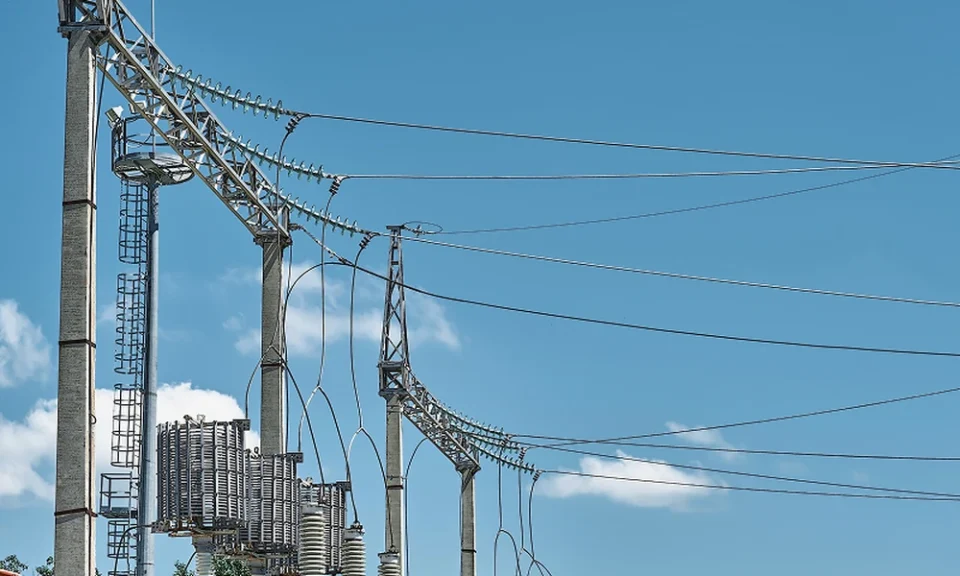
A power distributor, also known as the grid operator, owns and operates the physical infrastructure required to transport energy. In Singapore, SP Group functions as the national grid operator responsible for electrical cables, substations, and meters.
Primary duties of a power distributor include:
- Transporting high-voltage power from generation facilities directly to premises.
- Maintaining power lines, substations, and electrical meters.
- Responding to blackouts, power surges, and emergency grid repairs.
- Ensuring the overall stability and safety of the energy network.
In short, the power distributor manages the physical delivery network. They ensure electrical energy safely flows to homes and offices regardless of which retail provider manages the account.
The core distinction lies in business operations versus physical infrastructure. Retailers manage energy trading and retail pricing, whereas distributors operate the utility cables and grid hardware.
| Feature | Electricity Retailer | Power Distributor |
| Primary Role | Sells energy plans and manages customer billing. | Maintains grid hardware and delivers physical power. |
| Market Choice | Multiple choices available in an open market. | Single regulated entity per geographic zone. |
| Physical Assets | Does not own power lines or distribution equipment. | Owns substations, power lines, and electricity meters. |
| Emergency Contact | Handles contract changes and account enquiries. | Handles power outages and electrical faults. |
In summary, electricity retailers handle the commercial sale of energy, while power distributors handle physical infrastructure maintenance and delivery.
Why Is It Important to Understand the Difference?
Knowing the distinction between retailers and distributors helps consumers resolve operational issues efficiently. For example, account updates or price negotiations must go through the retailer, whereas power disruptions require contacting the grid operator.
Understanding this division benefits consumers by clarifying:
- Procurement: Businesses can evaluate commercial rates from non-regulated suppliers of electricity for small businesses without risking power access.
- Safety: Outages and line faults are reported directly to the distributor for rapid physical restoration.
- Security of Supply: Switching retail providers does not alter physical power reliability, as the distributor continues managing electricity using the same grid.
In summary, recognizing these roles ensures consumers contact the correct organization for technical support, billing queries, or cost optimization.
Frequently Asked Questions
Does changing my electricity retailer cause power interruptions?
No. Physical electricity delivery remains managed by the central power distributor. Switching retail contracts is a purely administrative change.
Whom should I contact during an electricity outage?
You should contact the power distributor responsible for grid infrastructure, such as SP Group in Singapore. Retailers do not manage power line repairs.
Can I choose my power distributor?
No. Power distribution relies on physical utility networks, which are managed as a centralized monopoly per region to ensure grid safety and reliability.
Reach out to Flo Energy Singapore and take control of your business energy costs today.
