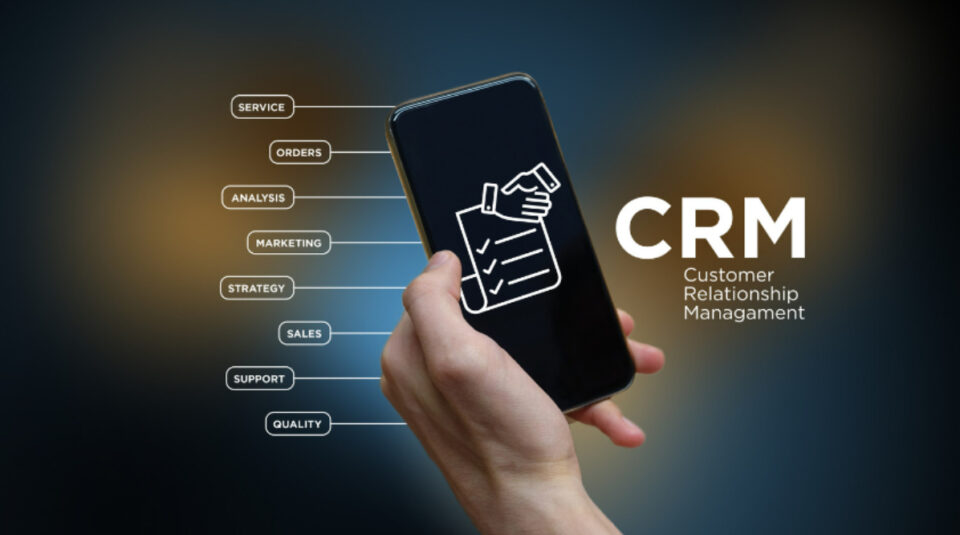
The modern healthcare landscape is constantly evolving, and adequate communication between healthcare professionals and their patients has become more critical than ever. An innovative solution for enhancing patient interactions and streamlining administrative tasks lies within a single, powerful tool: a healthcare CRM.
Enhance Communication and Build Patient Trust
One of the primary benefits of a CRM in the healthcare industry is the ability to consolidate patient information, preferences, and communication history into one intuitive platform. With a healthcare CRM, doctors, nurses, and other healthcare professionals can access a comprehensive view of each patient’s records, providing detailed insights that can lead to better patient outcomes.
Moreover, a healthcare CRM can automate appointment reminders, send wellness tips, and offer educational materials. As a result, the patient experience is enhanced, and trust between the healthcare provider and the patient is solidified.
Streamline Administrative Tasks with Efficient Management
Time is a valuable commodity in the healthcare industry. A significant advantage of a healthcare CRM is that it optimizes administrative tasks, such as appointment scheduling, prescription refills, and insurance approvals. This enables healthcare professionals to focus on what truly matters: providing high-quality care to their patients.
Furthermore, proper organization within a CRM can significantly decrease the likelihood of errors, mistakes, or miscommunications. This, in turn, reduces the time wasted in correcting such issues, thereby increasing overall efficiency.
Collaborate Across Departments for Patient-Centric Care
A comprehensive healthcare CRM offers seamless integration with electronic medical record systems (EMRs) and other healthcare IT solutions, fostering greater collaboration between various departments within a healthcare organization. By having all relevant information at their fingertips, healthcare professionals can make more informed decisions and deliver tailored, patient-centric care.
As the CRM for the healthcare industry continues to evolve, interoperability and data sharing become even more crucial. A centralized platform ensures that all departments can access the same information in real time, promoting efficient communication and collaboration throughout the entire medical community.
Track Metrics and Improve the Quality of Care
Lastly, a healthcare CRM allows organizations to monitor key performance indicators (KPIs), such as patient satisfaction scores, average waiting times, and readmission rates. Analyzing these metrics helps healthcare organizations identify areas for improvement and implement evidence-based strategies to boost their quality of care.
Tracking KPIs can also reveal which marketing efforts are resonating with patients and which need reevaluation. By refining their messaging and targeting strategies, healthcare organizations can attract and retain more patients, ultimately contributing to the overall growth and success of the practice.
To Wrap Up
Harnessing the power of a healthcare CRM can have a significant positive effect on patient experience and outcomes. By facilitating better communication, streamlining administrative tasks, promoting collaboration, and tracking essential metrics, a CRM becomes an indispensable tool for any healthcare organization striving to deliver the highest quality of care to its patients. Consider integrating a healthcare CRM into your practice to unlock these benefits and set your organization on a path toward excellence.
