
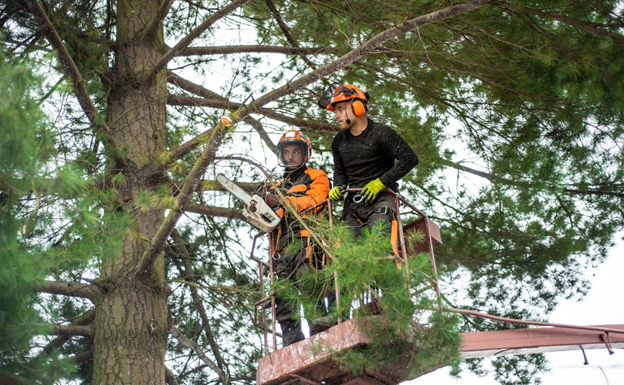
Trees are more than just a part of our landscape; they are vital to our ecosystem and our well-being. However, sometimes we face tough choices about whether to keep or remove a tree.
This guide aims to present thoughtful approaches to making these decisions, ensuring we maintain our green spaces while addressing practical needs.
1. Assess the Tree’s Health
Before making any decision, it’s crucial to evaluate the health of the tree. An arborist can help determine if a tree is diseased, dying, or dead. Signs of poor health include a significant loss of leaves, large dead branches, and visible fungi.
If a tree is healthy, preservation is usually the best option. On the other hand, if the tree poses a safety risk due to poor health, removal might be necessary.
2. Consider the Environmental Impact
Trees play a vital role in reducing carbon dioxide levels, providing habitats for wildlife, and preventing soil erosion. When considering tree removal, think about the environmental consequences.
For instance, removing a tree that is home to birds and squirrels can disrupt local biodiversity. Weighing these factors can help decide if preservation is more beneficial than removal.
3. Explore Tree Retention and Protection Techniques
In many cases, Tree Retention and Protection can be achieved through careful planning and maintenance. For example, pruning can improve a tree’s health and safety without removing it entirely.
Installing barriers around the tree’s base during construction projects can prevent damage to the roots and trunk. These methods allow for the preservation of trees while accommodating human needs.
4. Evaluate Safety Concerns
Safety is a paramount consideration when deciding between tree preservation and removal. Trees that are dangerously close to power lines, structures, or heavily trafficked areas may need to be removed to prevent accidents.
However, if safety concerns can be mitigated through pruning or other measures, preservation should be prioritized.
5. Assess Aesthetic and Cultural Value
Trees often hold significant aesthetic and cultural value. A majestic old oak or a flowering cherry tree can enhance the beauty of a property and provide a sense of history and continuity. Before deciding to remove a tree, consider its contribution to the landscape and community. Sometimes, preserving a tree for its beauty and cultural significance is worth the effort.
6. Plan for Replacement
When tree removal is unavoidable, planning for replacement is crucial. Planting a new tree in place of the old one can help maintain the ecological balance and aesthetic appeal of the area. Choose a species that is well-suited to the local climate and soil conditions. This practice ensures that the benefits provided by the removed tree are not permanently lost.
7. Manage Stump Removal
After a tree is removed, stump removal is an essential step to consider. Leaving a stump can lead to new growth that may be unwanted and can become a tripping hazard. Stump removal also helps prevent pest infestations and prepares the site for new planting. Properly managing stump removal ensures that the area is safe and ready for future use.
Conclusion
Balancing tree preservation and removal is a complex task that requires careful consideration of various factors, including health, safety, environmental impact, and cultural value. By following these seven best practices, we can make informed decisions that respect both our needs and the natural world.
Whether through tree retention and protection or responsible removal and replacement, our actions can contribute to a healthier and more beautiful environment.
