
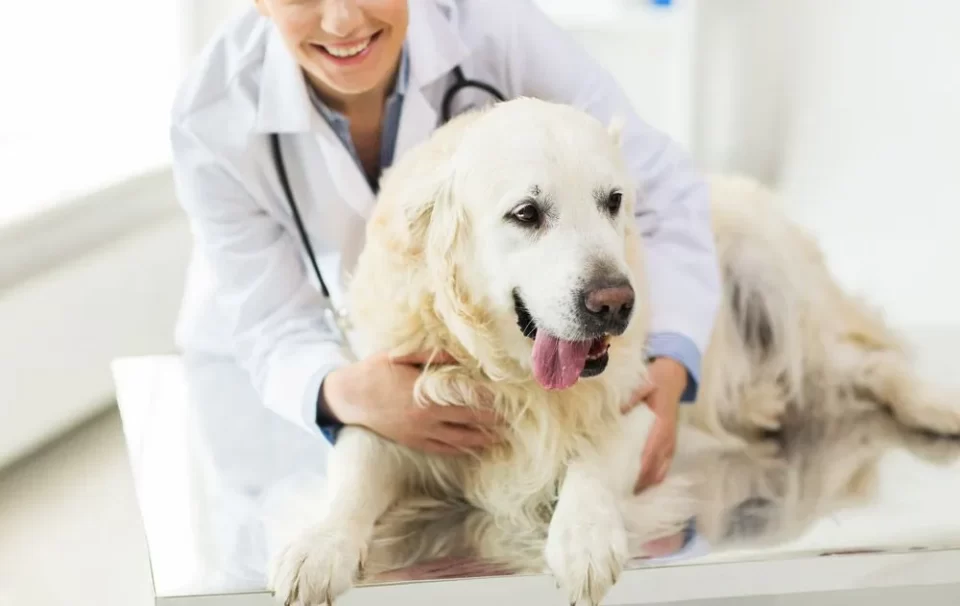
Your pet’s well-being is important. They rely on you to notice when something is wrong. Recognizing signs that your pet needs medical attention can make a big difference. Acting quickly can bring relief and prevent further issues. Watch for sudden changes in behavior or appetite. Look for visible injuries, limping, or difficulty moving. Pay attention to unusual discharge or swelling. These signs suggest it’s time to consult a professional. A Bloomingdale veterinarian can assess and treat these issues. Trust your instincts if your pet seems unwell. Even subtle signs, like excessive thirst or grooming, can indicate underlying problems. You know your pet best, so when things feel off, a timely visit to the vet can ensure your pet’s health and happiness. Understanding what to look for can make your pet’s life better and strengthen your bond. Remember, your pet depends on your care and attention.
Behavior Changes
Behavior shifts can signal distress. These changes might include aggression, lethargy, or withdrawal. Monitor your pet’s mood and energy levels. If your normally playful pet becomes quiet or a calm pet becomes restless, it’s time to pay attention. These behaviors can indicate pain or illness.
Eating and Drinking Habits
Pets have regular eating and drinking patterns. A sudden increase or decrease in appetite can indicate a problem. Excessive thirst might point to conditions like diabetes or kidney issues. Conversely, not drinking enough can lead to dehydration. Pay close attention to these habits.
Physical Symptoms
Look at your pet’s body for signs of illness. Swelling, lumps, or bumps need examination. Check for discharge from the eyes, nose, or other openings. These can indicate infections. Changes in coat condition or skin can also be warning signs.
Mobility Issues
If your pet struggles to move, limps, or refuses to climb stairs, these can be signs of injury or arthritis. Notice if your pet winces or cries when moving. Addressing these issues promptly can ease pain and improve mobility.
Bathroom Habits
Changes in bathroom habits are clues to health problems. Difficulty urinating or defecating, accidents in the house, or straining can indicate urinary infections or blockages. Consistency in these habits is key to spotting issues early.
Common Signs and Their Possible Causes
| Sign | Possible Cause |
|---|---|
| Lethargy | Infection, pain, dietary issues |
| Excessive thirst | Diabetes, kidney disease |
| Limping | Injury, arthritis |
| Vomiting | Gastrointestinal problems, poisoning |
| Coughing | Respiratory infections, heart disease |
Unexpected Weight Changes
Weight gain or loss without diet change is concerning. This can indicate underlying health problems. If your pet seems heavier or thinner, it’s time for a vet visit. Regularly weighing your pet can help catch these changes early.
Unusual Grooming
Excessive licking, scratching, or biting can mean skin problems or allergies. Observe for hair loss or reddened skin. If grooming habits change, seek a vet’s advice. These behaviors can cause self-inflicted injuries if not addressed.
Age-Related Concerns
Older pets have different needs. They might experience age-related diseases like arthritis or vision loss. Regular vet check-ups become even more important as pets age. These visits help manage age-related health changes.
Resources for Pet Health
For more information on pet health, visit the American Veterinary Medical Association website. You can also explore the ASPCA Pet Care page for helpful care tips. Use these resources to stay informed about your pet’s health.
Final Thoughts
Recognizing signs of illness in your pet ensures they receive timely care. Your attention to changes in behavior, physical condition, and habits can prevent serious health issues. Seek veterinary advice when in doubt. Your pet’s health depends on your vigilance and care. Taking quick action when you notice something amiss helps maintain their well-being and joy.
