
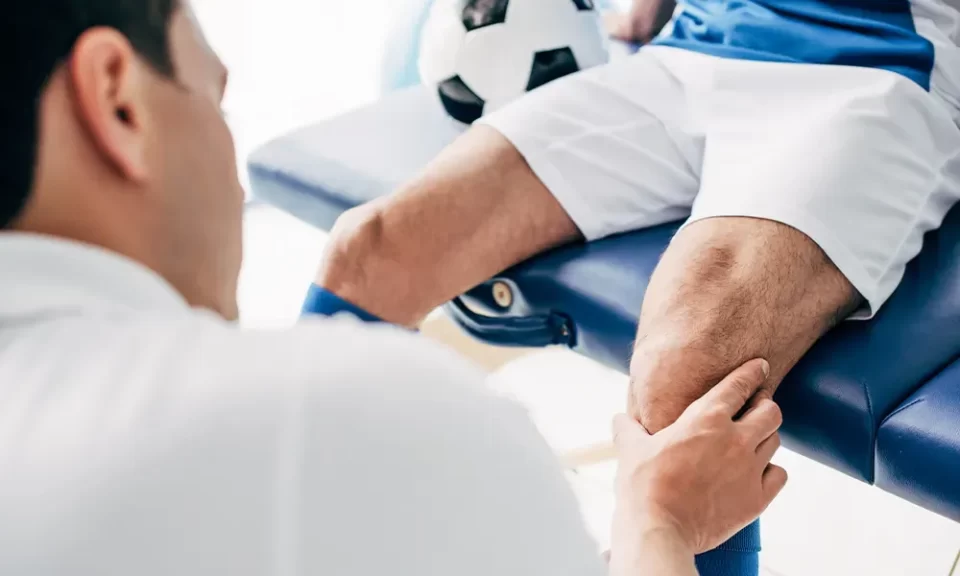
Joint pain, muscle strain, or a sudden sports injury can disrupt daily life faster than expected. Many people delay care because they feel unsure about where to start or what services they truly need. Orthopedic and sports medicine care focuses on movement, strength, and recovery. This guide explains what these services include, who benefits from them, and how treatment supports long-term mobility. Clear information helps patients feel confident and prepared before scheduling their first visit.
Some patients research providers such as Texas Orthopedics Sports & Rehabilitation Associates while exploring care options in Texas. These references help frame what comprehensive orthopedic support may look like. Understanding services ahead of time makes conversations with specialists easier and more productive.
Conditions Orthopedic Care Addresses
Orthopedic services focus on bones, joints, muscles, ligaments, and tendons. Care supports people with injuries, chronic pain, or mobility limits. Sports medicine adds a performance and recovery focus for active patients. Many residents seek help after accidents, work strain, or athletic injuries.
Common conditions include joint pain, fractures, arthritis, and tendon damage. Specialists also treat back issues and shoulder problems. A proper evaluation identifies the source of pain. Early care in Texas helps prevent small issues from limiting movement long-term.
What Sports Medicine Services Include
Sports medicine care supports both athletes and active individuals. Treatment focuses on safe recovery and injury prevention. Care plans adjust based on age, activity level, and goals.
Key services include:
- Injury evaluation and diagnosis
- Physical therapy programs
- Non-surgical pain management
In Texas, these services support youth sports, weekend athletes, and active adults. The goal centers on safe return to movement. Clear guidance helps patients avoid repeat injury and build confidence during recovery.
Diagnostic Tools Patients May Experience
Accurate diagnosis shapes effective treatment. Orthopedic specialists use imaging and physical exams to understand injury details. These tools help confirm cause and severity.
Common diagnostic steps include:
- Physical movement assessment
- Imaging such as X-rays or MRI
- Review of activity history
Patients across Texas value clear explanations during this stage. Knowing what tests show helps reduce anxiety. Results guide treatment options that align with comfort level and recovery goals.
Treatment Paths Based on Patient Needs
Care plans vary based on condition and lifestyle. Some patients need short-term therapy, while others require longer support. Treatment options focus on relief, function, and joint health over time. Clear guidance helps patients feel confident at each stage of care.
- Non Surgical Options
Therapy, injections, and guided exercises support healing without surgery. These options help reduce pain and restore movement gradually. Many patients prefer this path when daily activity remains manageable.
- Surgical Support
Surgery may help when damage limits daily movement or stability. Specialists explain why surgery fits certain conditions. Recovery plans outline realistic timelines and follow-up care.
Patients appreciate clear discussions about benefits and recovery expectations. Informed decisions support trust and realistic outcomes throughout the treatment process.
Preparing for an Orthopedic Visit
Preparation helps patients feel comfortable and focused. Bringing the right information improves visit efficiency. Clear communication leads to better outcomes.
Helpful preparation tips include:
- List symptoms and activity limits
- Note past injuries or treatments.
- Prepare questions about recovery.
Patients in Texas usually feel more at ease when visits stay organized. Preparation supports clear conversations and reduces missed details. Confidence grows when patients take an active role in care planning.
Orthopedic and sports medicine services support movement, recovery, and long-term strength. Care includes diagnosis, therapy, and personalized treatment paths. Sports medicine adds focus for active lifestyles. Preparation and clear communication improve outcomes. Examples like Texas Orthopedics Sports & Rehabilitation Associates help frame expectations without promotion. For many people across Texas, informed care choices lead to better mobility and renewed confidence in daily life.
