
A shift happens during any time spent building objects layer by layer. That first thrill – seeing each level settle into place precisely – remains alive. Yet somehow it begins falling short. What comes next matters more now: function, reliability, shape matching its role without fail.
Something changes, small at first yet clear enough to make folks pause. This moment pushes them to look again at a detail they ignored before – the source of what they use.
Beyond the Printer Where Results Start
A common thought: nicer printers mean nicer results. Speed climbs, detail sharpens, parts get swapped for pricier ones – the checklist grows. Yet months pass, patterns shift. A high-end rig stumbles when what goes in wobbles batch to batch. Consistency upstream changes everything downstream.
Filament quality sets the stage – printing never actually begins at the nozzle. Long before extrusion, consistency in the material shapes what comes out.
Tiny flaws – like slight changes in thickness, contact with dampness, or lopsided makeup – might shift results without warning. Often the change stays hidden until later, revealed through wear or pressure. Occasionally it pops out right away: thin seams, strange surfaces, outcomes that refuse to settle.
Consistency Builds Confidence
Printing often? Then you get how steady materials help. A substance that acts consistently print after print means actual improvement happens. Tweaks turn purposeful. Fine-tuning settings takes less guesswork. What once felt random slowly shapes into something smooth, almost second nature.
Still, shaky materials leave questions behind. Could be the heat. Maybe how fast things moved. Perhaps the surroundings played a part. Even quieter factors might have tipped the balance.
Frozen by doubt, progress drags. Slowness creeps in when answers vanish.
Steady results do more than sharpen output – they quietly strengthen trust in how things get done. Because of this trust, makers begin reaching for tougher challenges without second-guessing each step.
The Hidden Side of Where Materials Come From
Outcomes take shape in ways people seldom link to where materials come from. Though talk usually drifts toward slicer settings or machine details, origin points slip under the radar.
Filament’s journey – from creation to storage to handling – shapes how it behaves later. Not every detail shows at first glance, yet each step leaves traces when printing begins.
Something clicks only once irritation builds up. Yesterday’s perfect setup now acts unpredictable. Layers come out wrong, with no obvious reason why. That is when attention lands on where the filament came from.
Now and then, folks begin noticing just who they purchase from – taking a look at reliable sources for PETG filament if strength and steady results matter, sometimes even paying closer attention to the kind of PETG filament provider behind those materials, without needing extra steps. When someone wants to check out solid options, selections such as
https://www.filamenthub.com.au/collections/petg-filament
Choosing between choices becomes simpler when things stay clear. One option follows another, yet confusion fades. Each step moves forward without clutter crowding the path. A calm pace lets understanding grow naturally.
Yet here lies a deeper point, one stretching past just materials or who supplies them – grasping every step behind what feeds into a printed page matters most.
small differences real impact
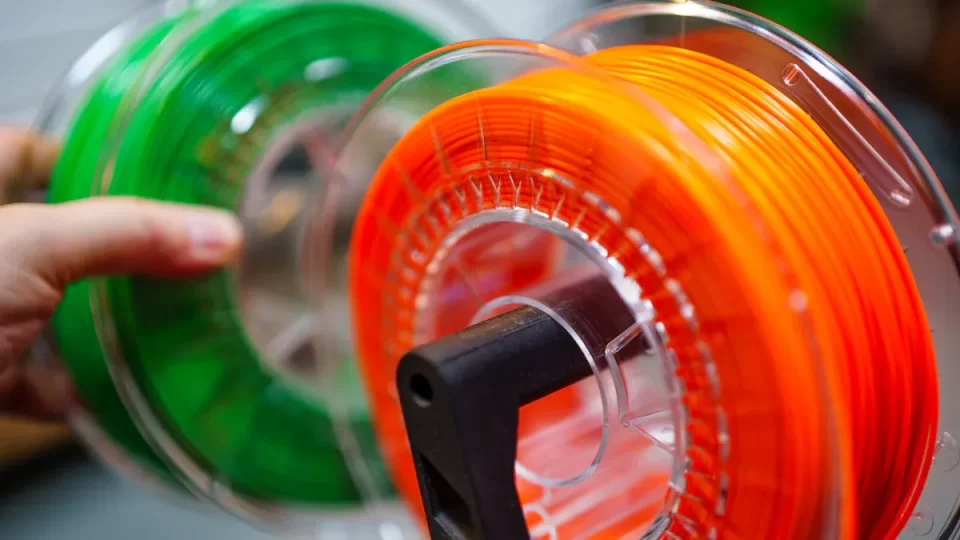
A single strand of plastic on a roll may seem just like the next at first sight. Yet when used, tiny variations start showing up in how things turn out.
Tiny changes in thickness might slow down plastic squeezing through. Moisture soaking in, even just a little, could cause tiny holes or softer layers. How neatly the spool is wound matters for steady movement into the machine.
Piece by piece, each element looks small. When combined, their effect becomes impossible to overlook.
Over time, seasoned users tend to narrow their choices. It is less about liking something and more about needing it. Once consistency becomes the target instead of just adequacy, small things gain weight. What once seemed minor now stands out.
A More Thoughtful Way to Print
Now machines print more than ever before. Not long ago people cared only about shapes possible. Today they watch how steady each copy turns out. Repetition matters like never before.
Something shifts when people stop adjusting everything all the time. Rather than fiddling endlessly, they start cutting down what’s unnecessary. Simplicity becomes a habit, not a goal. Trusted materials get picked more often. Systems take shape slowly – ones that work again and again without breaking. Success stops feeling accidental.
Finding materials shapes the art itself, far beyond mere supply work.
The People Who Make Printing Better
Even with all the machines around, shaping things in three dimensions still takes real touch. Each step forward shows up through watching closely, tweaking little by little, then doing it again.
Patterns start making sense after a while. A strange vibe catches attention before logic kicks in. Adjustments happen slowly, even if no one sees the shift happening.
One step forward? Picking materials that work better – or just stick to the same standard every time. Rarely a huge leap, yet shows up right where it matters.
Looking Forward
Faster printing might come tomorrow, yet one thing stays true. Even when machines outpace today’s models, what they print with still matters most. Speed grows, precision climbs – still, the stuff inside the printer holds its weight. Machines improve, yes, but better plastic or resin won’t lose meaning. Progress moves forward, though material truth keeps step.
Still, importance might grow. Though small, the shift could linger.
Truth is, a good print job doesn’t hinge on flashy visuals or high-powered gear alone. What matters most? How each step links – smooth, steady, never fighting itself.
Now here’s a twist – real progress might hide not in the shiny upgrades but in the quiet corners we usually ignore.
