
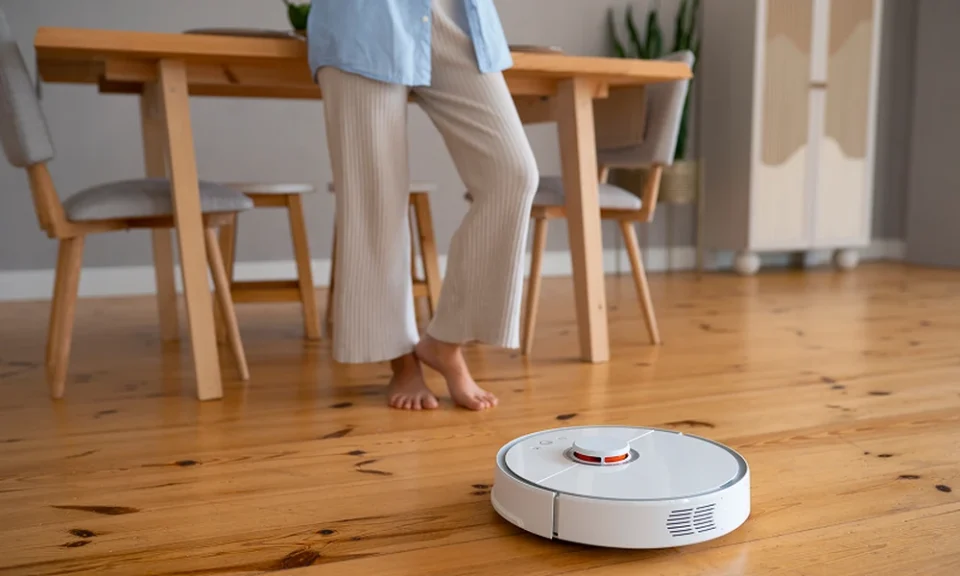
Key Highlights
- Mapping technology like LiDAR ensures the vacuum navigates your home efficiently without getting stuck.
- Suction power and brush design determine how well the robot handles pet hair and carpets.
- Self-emptying bases significantly reduce the amount of manual maintenance required.
- App integration allows you to schedule cleanings and set no-go zones from your smartphone.
Introduction
The dream of a home that cleans itself is closer than ever, thanks to the rapid advancement of domestic robotics. For many households in Singapore, the robot vacuum has transitioned from a high-tech novelty into an essential time-saving appliance. Imagine coming home after a long day at work to find your floors perfectly swept and mopped, with all the dust and pet hair gone. However, as the market has grown, so has the variety of models available, ranging from basic bump and turn units to highly sophisticated machines with artificial intelligence. Before you invest in one of these autonomous helpers, it is important to understand which features will actually make a difference in your specific living environment. This guide explores the key considerations to keep in mind to ensure your new purchase truly lightens your domestic load.
1. Navigation and Mapping Intelligence
The most significant difference between a budget model and a premium robot vacuum is how it sees your home. Basic models move in random patterns until they hit an obstacle, which can lead to missed spots and a lot of wasted time. More advanced units use LiDAR (Light Detection and Ranging) or camera-based VSLAM technology to create a precise map of your floor plan. This allows the robot to clean in logical, straight lines and remember exactly where it has already been. It also enables features like room-specific cleaning, where you can tell the vacuum to just clean the kitchen after dinner. If your home has a complex layout or many pieces of furniture, investing in a model with superior mapping is essential for a frustration-free experience.
2. Suction Power and Surface Adaptability
While navigation is important, the core job of any vacuum is to pick up dirt. Suction power is typically measured in Pascals (Pa), and higher numbers generally mean better performance on deep-pile carpets or for picking up heavier debris like cat litter. However, you should also look at the brush design. Some models feature dual rubber brushes that are specifically designed to resist tangling with long hair-a major plus for pet owners. Additionally, many modern robots are hybrids, meaning they can both vacuum and mop. If you have a mix of rugs and hard floors, look for a model with carpet detection that can automatically lift its mopping pad to avoid getting your carpets wet.
3. Maintenance and the Self-Emptying Advantage
One of the ironies of early robot vacuums was that they required a lot of manual work to keep them running. You had to empty the small dustbin almost every day and frequently untangle the brushes. The latest generation has solved this problem with self-emptying docking stations. These bases suck the dirt out of the robot into a much larger disposable bag, meaning you only have to deal with the waste once every month or two. Some high-end mopping models even wash and dry their own mopping pads. While these features add to the initial cost and take up more physical space, the convenience they provide is arguably the biggest leap in hands-free cleaning technology in recent years.
4. Software, Privacy, and Smart Integration
A robot vacuum is a smart device, and its usefulness is often tied to the quality of its companion app. A good app should allow you to set schedules, adjust suction power, and-crucially-draw no-go zones on your map. These virtual barriers prevent the robot from entering areas where it might get stuck, such as a tangle of computer cables or a pet’s feeding area. You should also consider how the device integrates with your existing smart home setup; many models can be started with a simple voice command to Alexa or Google Home. Finally, check the brand’s reputation for privacy and data security, especially if you are choosing a model with an onboard camera for obstacle avoidance.
Conclusion
A robot vacuum can be one of the most rewarding additions to a modern home, providing you with the luxury of clean floors with zero effort. By focusing on smart navigation, effective suction, and low-maintenance features like self-emptying bases, you can find a model that fits seamlessly into your lifestyle. While the initial investment might seem high, the amount of time saved over the years makes it a worthwhile purchase for any busy individual or family in Singapore. Take the time to assess your floor types and your home’s layout, and you will find a robotic partner that keeps your living space pristine every single day.
Contact Harvey Norman Singapore to discover how they can provide you with premium, hassle-free car leasing solutions.