
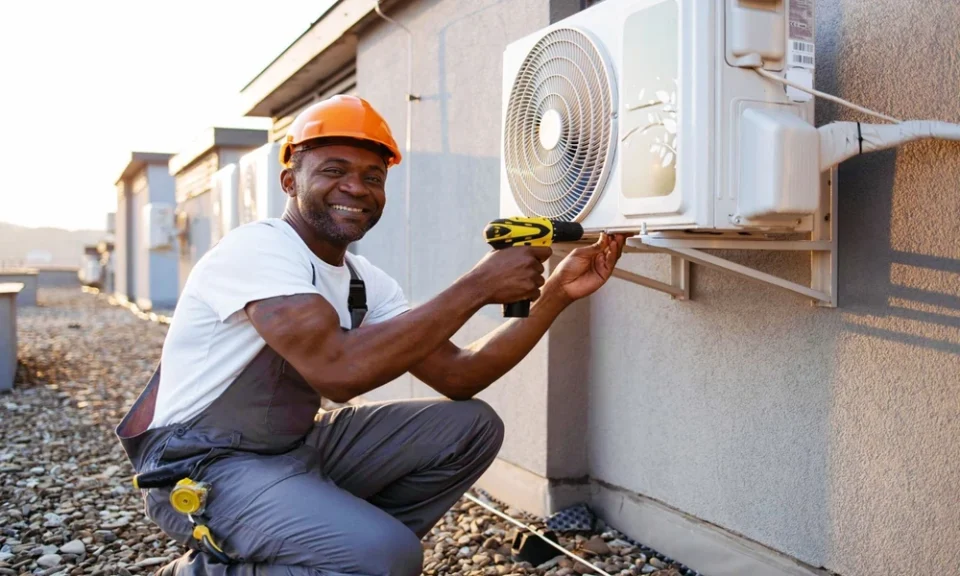
Installing a new air conditioner is a major home improvement, but the equipment itself is only one part of the process. Homeowners often spend time comparing cooling capacity, efficiency, and price while overlooking some of the practical details that can affect how well the system performs once it’s installed.
Before arranging professional AC installation in Tucson, it’s worth looking beyond the AC unit itself. The condition of the existing system, the layout of the home, airflow, electrical requirements, and even the location of the equipment can all influence the installation. Thinking about these details beforehand can help avoid surprises later.
The Existing Setup May Need Attention
A new AC doesn’t always mean that every part of the existing cooling system can simply stay as it is. Older ductwork, wiring, drainage, or other components may not be ideal for the replacement equipment. If these areas aren’t considered beforehand, problems can appear after installation.
An assessment of the current setup can help identify anything that may need repair, adjustment, or replacement. This is particularly useful in older homes where the existing system may have been installed under different requirements or for different cooling needs.
Don’t Overlook the Size of the System
Choosing an AC based only on the size of the property can lead to problems. A system needs to match the home’s actual cooling requirements, which can be influenced by insulation, windows, ceiling height, layout, and other factors.
An oversized unit isn’t necessarily better. It may cool the home quickly without running long enough to manage humidity effectively, while an undersized system may struggle during periods of extreme heat. Proper sizing should therefore be part of the installation planning process rather than an afterthought.
4 Details Worth Checking Before Installation
There are several practical questions homeowners should consider before the installation date. Addressing them early can make the process more straightforward and help ensure the new system suits the property.
- Where the equipment will be installed: The location of both indoor and outdoor equipment can affect access, airflow, noise, and future maintenance. The outdoor unit needs suitable space around it, while the indoor equipment should be positioned to support effective air distribution. If you’re replacing an existing system, the previous location may not automatically be the best choice for the new equipment.
- Whether the ductwork is in good condition: New equipment won’t necessarily solve problems caused by damaged, poorly sealed, or poorly designed ducts. Leaks or restrictions can reduce the amount of conditioned air reaching different rooms. Checking the ductwork during the installation process can help determine whether it is capable of supporting the new AC.
- Electrical requirements: A replacement system may have different electrical requirements from the older unit. The existing wiring, circuit, and electrical panel should be suitable for the new equipment. Identifying any electrical work early can prevent delays and ensure the system is installed correctly.
- How the system will be controlled: The thermostat and controls affect how you use the new AC every day. If the existing thermostat is outdated or poorly positioned, replacing or relocating it may be worth discussing. The control setup should also work properly with the new equipment.
Your Home’s Airflow Matters
Good cooling depends on more than the AC producing cold air. That cooled air needs to move effectively through the home. Blocked vents, restricted returns, damaged ducts, or an unsuitable layout can make some rooms feel warmer than others.
If you’ve experienced uneven temperatures with your previous system, mention this before installation. It gives the installer an opportunity to consider whether airflow improvements should be part of the project. Otherwise, you could end up with a new AC while still experiencing some of the same comfort problems.
Think About Indoor Humidity
Temperature isn’t the only factor that affects how comfortable your home feels. Humidity also plays a role, particularly during hot weather. A properly sized and installed AC can help remove some moisture from indoor air while cooling the home.
This is another reason why system sizing matters. A unit that cycles too quickly may not run long enough to provide the level of moisture removal your home needs. If humidity has been a concern with your previous AC, make sure it’s discussed when planning the replacement.
Make Sure the Outdoor Unit Has Enough Space
The outdoor condenser needs room for air to move around it. Plants, fences, stored items, and other obstructions can restrict airflow and make it harder for the equipment to release heat.
Before installation, look at the area around the planned outdoor unit. The space should allow appropriate access for installation and future servicing. Keeping the area clear can also make routine maintenance easier once the system is operating.
Consider Future Maintenance
It’s easy to focus entirely on getting the new AC installed and forget about what happens afterwards. However, routine maintenance is part of keeping the system operating properly over the years.
Think about access to filters, service panels, outdoor components, and other areas that may need regular attention. A system that’s difficult to access can make future maintenance more complicated. Discussing service access during installation can help avoid unnecessary inconvenience later.
Don’t Leave Planning Until the Last Minute
Some installation decisions can affect other parts of the home, so planning early is useful. If electrical changes, ductwork modifications, thermostat relocation, or equipment adjustments are needed, these details may need to be coordinated with other work around the property.
Having a clear plan also gives you time to ask questions about the equipment and installation process. Rather than making decisions under pressure, you can understand what work is required and what the finished system should provide.
Conclusion
An AC installation involves more than choosing a new cooling unit. System size, ductwork, electrical requirements, airflow, equipment placement, and thermostat controls can all affect how well the new system performs. Overlooking these details may lead to uneven cooling, higher energy use, or avoidable problems later.
Taking time to assess your home and discuss these factors before installation can make the process much smoother. With the right system, professional installation, and regular maintenance, homeowners can enjoy reliable cooling, better comfort, and dependable performance throughout the warmer months.
