
Introduction: The Growing Importance of Flexible Lighting
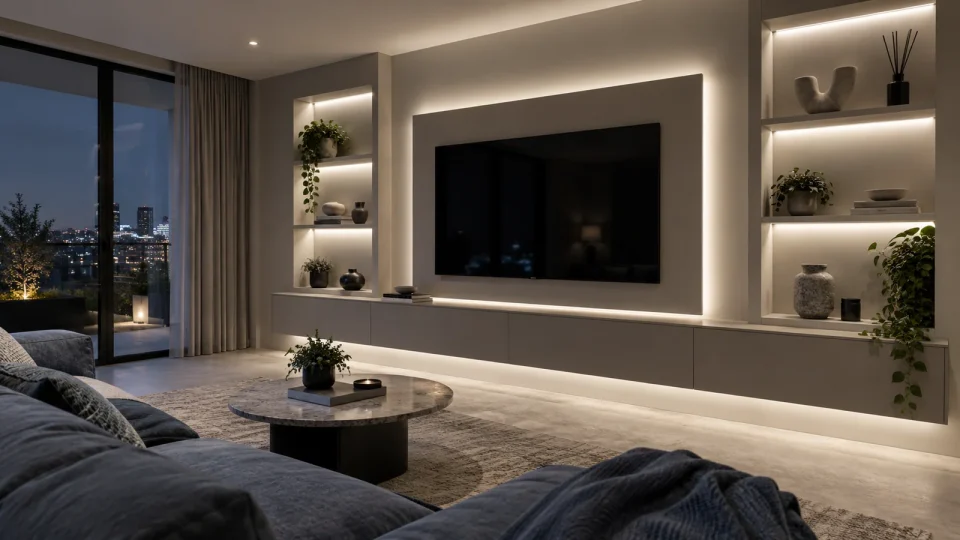
A room can feel entirely different when a carefully placed line of light reveals a ceiling edge, highlights a shelf, or adds colour behind a television. This simple effect explains why flexible lighting has become an important part of modern interiors, retail displays, signage, and architectural projects. Choosing suitable lighting involves more than brightness alone; colour quality, installation conditions, energy use, and long-term reliability also matter. This article explores the main considerations behind flexible LED lighting and explains how different strip technologies serve different practical purposes across many different settings.
Understanding Flexible LED Strip Technology
Flexible strip lighting is valued because it can follow straight runs, corners, curves, and narrow spaces that conventional fixtures may not illuminate effectively. A typical strip contains closely arranged light-emitting diodes mounted on a flexible circuit board, with adhesive backing on many models for easier installation. When selecting LED Strip Lights, buyers should consider the intended location, required brightness, colour temperature, strip length, and available power supply. These factors influence both the visual result and the stability of the finished installation, particularly in projects that operate for extended periods today.
Different Technologies for Better Light Distribution
One important distinction between strip products is the way light is distributed along the circuit. Traditional designs use individual LED packages, which may create visible points of light when installed without a diffuser. Chip-on-board technology places many small LED chips together, producing a more continuous appearance. For applications where smooth illumination is important, COB LED Strips can be a useful option, especially beneath cabinets, along display counters, or in decorative coves. The final effect still depends on installation distance, surface finish, diffuser choice, and the quality of the selected product.
Exploring Colour Options and Product Features
Colour selection also has a direct effect on how a space is experienced. Warm white light can create a relaxed atmosphere in bedrooms, hospitality settings, and living areas, while cool white often suits workspaces, display areas, and task lighting. Coloured options can support seasonal decoration, retail presentation, signage, or themed interiors. A product specification may list 5050-WW-300 light stripColors:Colors Red/Green/Blue/Yellow/Cool White/Warm White/RGB; this indicates several colour choices for projects with different visual requirements for many projects. Before ordering, confirm the exact configuration, voltage, dimensions, and control method with the supplier.
Brightness, Energy Consumption, and Performance
Brightness should be assessed in relation to the task rather than treated as a measure of quality. A subtle glow behind furniture may require less output than lighting intended to illuminate a work surface or product display. Buyers can compare lumen output, power consumption per metre, diode density, and beam characteristics to understand likely performance. Dimming compatibility is another useful consideration because adjustable output can support different activities. A suitable controller and correctly matched power supply help maintain consistent operation and reduce the risk of flickering or premature component failure.
Installation Requirements and Environmental Protection
Installation planning is essential for achieving a clean and dependable result. The mounting surface should be dry, clean, smooth, and suitable for the strip’s adhesive backing; additional clips or aluminium channels may be appropriate in demanding locations. Aluminium profiles can help manage heat while providing a neat finish and a surface for diffusers. For kitchens, bathrooms, outdoor areas, or other exposed environments, the required ingress protection rating should be checked carefully. Cutting points, connector types, maximum run lengths, and voltage drop also deserve attention before the strip is installed carefully.
Factors That Influence Long-Term Reliability
Long-term performance depends on component quality, thermal management, and correct electrical setup. Excess heat can shorten LED life, so high-output installations may benefit from aluminium channels or other suitable heat-dissipation measures. The power supply should match the strip’s voltage and provide adequate capacity for the full connected length, with an appropriate allowance for operating load. Connections need to be secure and polarity must be observed on compatible systems. For larger commercial projects, testing a sample section before full installation can reveal colour differences, brightness issues, or compatibility concerns early and consistently.
Conclusion: Making an Informed Lighting Choice
A successful lighting project begins with a clear understanding of the space, the desired atmosphere, and the technical conditions on site. Comparing construction, colour options, brightness, protection ratings, and installation requirements makes product selection more reliable than choosing on price alone. Product information and specification support from suppliers can help buyers assess whether a particular strip suits residential, commercial, or decorative use. For those exploring available options, dekingled.com provides a point of reference for LED lighting products. Careful planning and suitable components help create lighting that is practical, consistent, and visually effective.
