
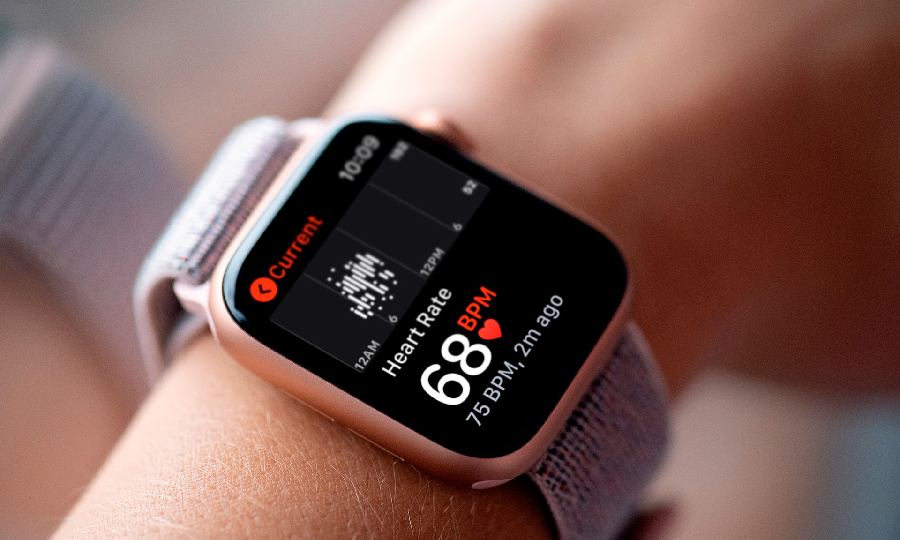
In the recent years, the rapid increase of technological advancement in the wristwatch industry was remarkable. From traditional watches, we now have smart wearable devices with added features. When we were only limited to watching time and date on a timepiece, we now have the capability of seeing messages and other notifications, track steps and monitor health within one small gadget.
Like various other brands, Huawei also has its smart watches with added exciting features. We are talking about the Huawei band 6 watches that have 96 workout modes. The Huawei band heart rate feature monitors and keeps track of heart health. It also has sensors like an accelerometer and gyroscope.
We always buy smart watches that have specific features related to a healthy lifestyle. Heart rate monitor, BP monitor, accelerometer, and gyroscope sensor are the important features that we look for in every smart watch. However, have you ever wondered how smart watches and other fitness trackers identify our heart rate? There is a particular technology integrated into smart watches and fitness gadgets that help in monitoring our heart rate.
How Smart Wearable Devices Measure Heart rate?
Optical Heart Rate Monitoring OHRM
Most gadgets work on OHRM, but most brands use the technology Photoplethysmography PPG under which OHRM is done. All wearable gadgets that utilize PPG contain green and red LED lights that are seen on the back of the case. These LED lights are used to monitor heart rates. The red light reflects on the blood beneath the skin and absorbs green light. Our heartbeat allows more green light absorption.
Components of PPG Technology
- The two LED lights send light waves into the skin to monitor heart wavelength.
- Digital signal processor DSP captures the light reflected from the wearer and translates the signals into binary language that is further translated into the heart rate data.
- Accelerometer gathers data with the DSP signal and provides input data into the PPG algorithm.
- The algorithm is processed from the DSP and the accelerometer to get the motion heart rate data.
Obstacles in Accurate Heart Reading
- Even though the variable gadget is connected closely to the skin, a tiny amount of light returns, which is collected by the sensor. From this tiny amount, only 1/1000th indicates blood flow including the heart pumping. The rest signals are scattered by bones, muscles, tendons, etc.
- Skin tone also plays an important factor because different shades of skin absorb light differently. Darker skin absorbs more green lights, and even tattooed area provides incorrect data to PPG.
- If you are performing a motion repeatedly it may consider it as the same rate as your heart rate. This crossover problem can provide incorrectly recorded data for your heart rate.
Even though there are so many complications, still a heart rate monitor works as a health tool. You can still use it to check how your body reacts to stressful situations and keep control by using safety measures. It works well for cardiac patients who need to monitor their heart rate regularly.
