
Sarcoma is a rare cancer that originates in connective tissues like bones, muscles, fat, and nerves, and is classified into soft tissue sarcoma and bone sarcoma (osteosarcoma), each with various subtypes. Its rarity makes diagnosis and treatment challenging, as symptoms often mimic those of less serious conditions. A key difficulty in managing sarcoma is its tendency to be diagnosed at an advanced stage due to early symptoms being non-specific and often overlooked. Effective treatment requires a deep understanding of the disease, a focus on early detection, and tailored therapies for each subtype, emphasizing the need for personalized, multidisciplinary care to improve patient outcomes.
The Importance Of Optimizing Treatment Outcomes
Optimizing treatment outcomes for sarcoma patients is crucial due to the aggressive nature of the disease and its potential impact on quality of life. Effective treatment aims to eliminate cancer while preserving the function of affected organs, particularly in critical areas of the body. Achieving optimal outcomes requires accurate diagnosis, timely communication among healthcare providers, and the integration of advanced treatment options. Research and clinical trials also play a vital role in discovering new therapies. Patient education and engagement are key to fostering a collaborative approach, empowering patients to make informed decisions and adhere to treatment plans, which ultimately contributes to better outcomes.
Overview Of Advanced Treatments For Sarcoma Cancer
In recent years, advancements in medical technology and research have led to the development of innovative treatments for sarcoma, significantly improving prognosis and offering new hope. Modern chemotherapy and radiotherapy techniques, such as intensity-modulated radiotherapy (IMRT) and proton therapy, have become more precise, reducing damage to healthy tissues while effectively targeting cancer cells. Targeted therapies, like imatinib, focus on specific molecular targets associated with sarcoma cells, enhancing efficacy and minimizing side effects. Additionally, immunotherapy approaches, including checkpoint inhibitors and CAR T-cell therapy, have shown success in treating various cancers, including sarcomas. These advancements emphasize the importance of a personalized approach, where treatments are tailored to the individual’s specific type and stage of cancer.
Personalized Medicine In Sarcoma Treatment
Personalized medicine, or precision medicine, is transforming sarcoma treatment by tailoring therapies to the unique genetic and molecular profile of each patient’s tumor. This approach enhances treatment effectiveness and minimizes unnecessary side effects. Key steps include genetic testing to identify mutations and biomarkers, molecular profiling to analyze tumor characteristics, and the development of customized treatment plans based on this data. By focusing on the specific vulnerabilities of the cancer, personalized medicine can improve response rates, extend survival, and enhance quality of life for sarcoma patients. This approach highlights the need for continued research and collaboration among healthcare professionals to refine and expand precision therapies.
Role Of Clinical Trials In Improving Sarcoma Outcomes
Clinical trials are vital for advancing sarcoma treatment by testing new therapies and strategies that could improve patient outcomes. These trials provide essential data on the safety and efficacy of novel treatments, helping to establish new standards of care. Benefits for patients include access to cutting-edge treatments not widely available, the opportunity to contribute to medical research, and comprehensive monitoring to ensure high-quality care and prompt management of side effects. Patients considering clinical trials should discuss the potential risks and benefits with their healthcare team to make informed decisions and potentially gain access to innovative therapies that may improve their prognosis.
Multidisciplinary Approach to Sarcoma Management
A multidisciplinary approach is essential in managing sarcoma, bringing together a team of healthcare professionals—including oncologists, surgeons, radiologists, pathologists, and supportive care providers—to collaboratively develop and implement a comprehensive treatment plan. This collaborative strategy ensures that all aspects of a patient’s condition are thoroughly evaluated, enabling timely and coordinated care.
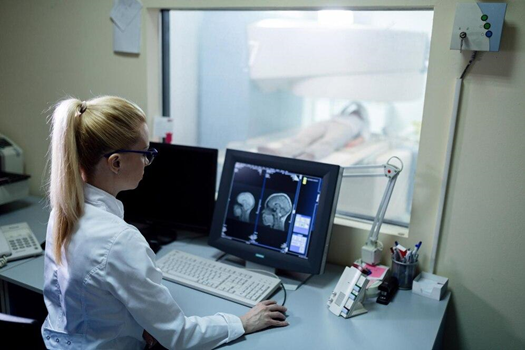
Radiologists play a central role in this team, particularly through their expertise in interpreting oncology imaging, such as MRI, CT, and PET scans. Their interpretations guide key decisions at every stage—from diagnosis and staging to surgical planning and treatment monitoring. As specialists in advanced imaging, radiologists help identify tumor characteristics, assess treatment response, and detect potential recurrences, making their contributions vital to personalized sarcoma care.
Advanced oncologic imaging also enables precise visualization of tumors and surrounding tissues, which supports surgeons in preoperative planning and oncologists in customizing therapies. When combined with insights from pathology, genetics, and clinical findings, imaging results strengthen the multidisciplinary team’s ability to tailor treatments to each patient’s unique needs.
Beyond enhancing clinical outcomes, this team-based approach also supports the emotional and educational needs of patients and families, helping to reduce the stress and uncertainty that often accompany a sarcoma diagnosis.
Innovations In Surgical Techniques For Sarcoma
Surgery plays a key role in sarcoma treatment, especially for localized tumors, with recent innovations improving tumor removal while preserving function. Minimally invasive techniques like laparoscopic and robotic-assisted surgery offer smaller incisions, reduced blood loss, and faster recovery. Limb-sparing surgery is now standard for bone sarcomas, enabling tumor removal without amputation, and advanced reconstructive methods enhance functional outcomes. Image-guided surgery increases precision and reduces recurrence risks. Additionally, emerging therapies such as immunotherapy, including checkpoint inhibitors and CAR T-cell therapy, and targeted treatments like tyrosine kinase inhibitors and angiogenesis inhibitors, offer focused approaches to fighting sarcoma. These advancements underscore the importance of research and clinical trials to improve outcomes and extend survival.
Conclusion: The Future Of Sarcoma Cancer Treatment
The future of sarcoma treatment is promising, with ongoing advancements in research, technology, and personalized medicine offering new hope for improved outcomes. Continued exploration of innovative therapies, refinement of surgical techniques, and a multidisciplinary approach will enhance treatment effectiveness and patient quality of life. Collaboration among researchers, healthcare professionals, and patient advocacy groups will be key in driving progress and ensuring access to the best care. Together, we can make significant strides in optimizing sarcoma outcomes with advanced treatments.
