
Understanding Advanced Imaging Techniques In Eye Care
In today’s fast-paced world, maintaining optimal eye health is more crucial than ever, and advanced imaging techniques are revolutionizing how eye diseases are diagnosed and managed. These non-invasive, highly accurate methods provide detailed views of the eye’s internal structures, allowing for early detection and precise treatment decisions. Technologies such as digital retinal imaging and optical coherence tomography (OCT) have significantly enhanced diagnostic capabilities, giving eye care professionals unprecedented tools to protect vision. Understanding these advancements empowers individuals to take a proactive approach to their eye health and fully appreciate the benefits of modern eye care.
The Importance Of Protecting Your Vision
Our vision plays a crucial role in daily life, influencing everything from work and driving to leisure activities, yet it is often taken for granted until problems arise. Protecting vision goes beyond wearing glasses or contacts—it requires regular check-ups and the use of advanced imaging technologies to detect issues early. Vision loss can be gradual and unnoticed until significant damage occurs, making routine eye exams essential for identifying conditions like glaucoma, macular degeneration, and diabetic retinopathy before they progress. Prioritizing eye health not only preserves personal well-being but also supports independence and quality of life, ensuring clear vision for years to come.
Common Advanced Imaging Techniques Used By Eye Doctors
Eye care has advanced with imaging techniques for early disease detection. OCT captures retinal cross-sections, aiding in glaucoma and macular degeneration diagnosis. Fundus photography documents retinal structures for tracking changes, while fluorescein angiography highlights blood vessels to detect diabetic retinopathy and vein occlusion. These tools help doctors tailor diagnoses and empower patients in eye health decisions.
How Advanced Imaging Techniques Improve Diagnosis
Advanced imaging techniques have revolutionized eye care by enabling early and highly accurate detection of ocular conditions, often before symptoms appear. Technologies like Optical Coherence Tomography (OCT) can identify subtle changes, such as retinal nerve fiber thinning in glaucoma, allowing for timely intervention to prevent irreversible vision loss. These imaging tools also support personalized treatment plans by providing detailed insights into a patient’s eye health, helping doctors tailor interventions for better outcomes. With their precision in diagnosis and treatment, advanced imaging techniques play a pivotal role in preserving vision and enhancing modern eye care.
The Role Of Advanced Imaging In Preventive Eye Care
Preventive eye care is essential for long-term vision health, and advanced imaging techniques play a crucial role by enabling early detection and proactive management of potential issues. Regular eye exams incorporating these technologies can identify conditions like diabetic retinopathy and age-related macular degeneration before significant progression, leading to more effective treatments and improved outcomes. Beyond addressing existing concerns, preventive eye care helps mitigate future risks by identifying early warning signs and guiding lifestyle changes or treatments that can preserve vision. By leveraging advanced imaging, eye doctors can safeguard eye health and ensure clearer vision for the future.
Benefits Of Advanced Imaging For Patients
The integration of advanced imaging techniques into eye care enhances both diagnosis and the overall patient experience by offering improved accuracy, early detection, non-invasive procedures, and comprehensive monitoring. These technologies provide highly detailed images for precise diagnoses and targeted treatments while identifying issues early enough to prevent vision loss. Most imaging methods are quick and non-invasive, ensuring minimal discomfort while delivering crucial insights. Regular imaging also allows doctors to track changes over time and adjust treatment plans accordingly. By incorporating these advancements into routine eye care, patients gain peace of mind knowing their vision is being safeguarded with the latest technology, leading to better long-term outcomes.
What To Expect During An Eye Exam With Advanced Imaging
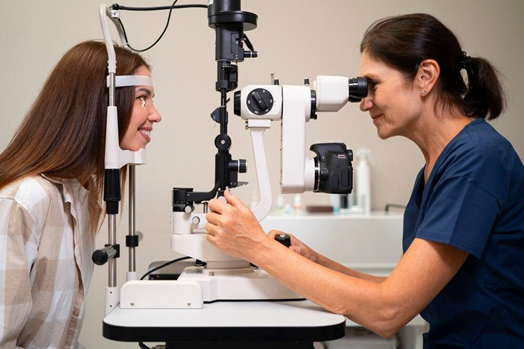
For those unfamiliar with advanced imaging, a comprehensive eye exam may seem daunting, but it is a straightforward and comfortable process designed to ensure a positive patient experience. The exam typically begins with a review of medical history and current symptoms, followed by the use of advanced imaging techniques to assess the internal structures of the eye. These quick, painless procedures often involve looking at lights or patterns while detailed images are captured. The resulting images provide valuable insights that the doctor will discuss, along with any necessary treatment plans or follow-up care, ensuring optimal eye health and peace of mind.
Comparing Traditional Methods Vs. Advanced Imaging Techniques
Traditional eye exams, though effective, lack the precision of advanced imaging. Visual acuity tests and ophthalmoscopes offer broad assessments but may miss early disease signs. Advanced imaging provides detailed views for early detection, accurate diagnoses, and personalized treatment, enhancing vision care. Integrating both methods improves patient outcomes.
Future Trends In Eye Care Imaging Technology
The field of eye care is rapidly evolving, with emerging technologies set to enhance the capabilities of advanced imaging and revolutionize diagnosis and treatment. Artificial intelligence (AI) is playing a key role by analyzing imaging data with exceptional accuracy, identifying patterns and anomalies that may be overlooked by the human eye, leading to faster and more precise diagnoses. Additionally, the development of portable imaging devices promises greater accessibility, enabling thorough eye exams in diverse settings and improving care for underserved populations. As these innovations continue to advance, eye care will remain at the forefront of medical progress, ensuring even more effective methods for protecting vision.
Conclusion: The Essential Role Of Advanced Imaging In Eye Health
In conclusion, advanced imaging techniques have become indispensable in modern eye care, providing unmatched accuracy in early detection and management of eye conditions while enhancing the patient experience. By embracing these advancements and scheduling regular eye exams that incorporate cutting-edge imaging, we can take proactive steps to safeguard our vision for a lifetime. As technology continues to evolve, future innovations will further improve eye care, ensuring even better diagnostic precision and treatment outcomes. If you haven’t had an eye exam recently, consider making an appointment today—your vision is a valuable asset, and protecting it with the latest imaging technology should be a priority.
