
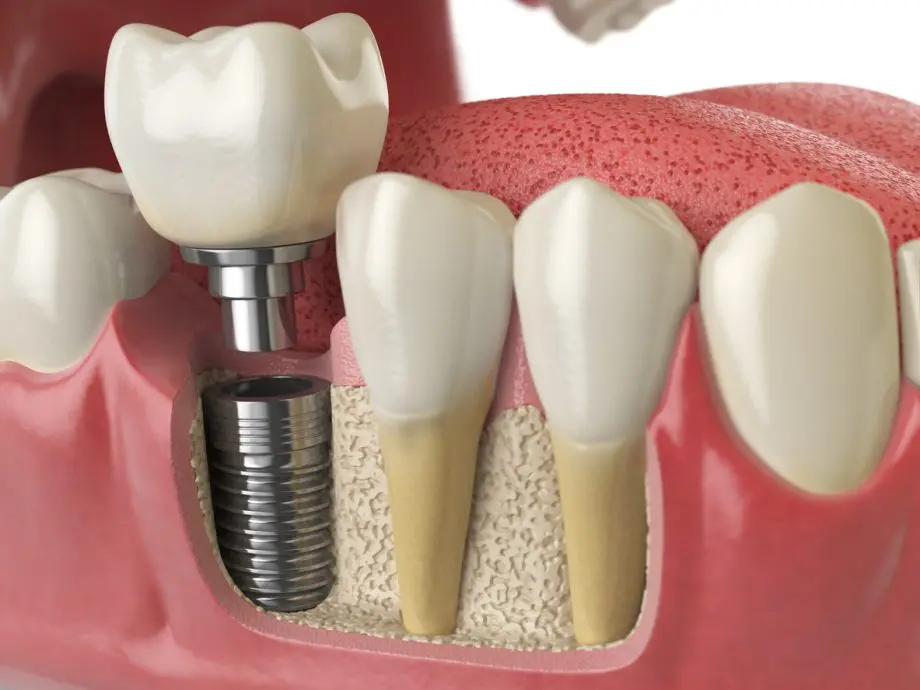
A dental surgeon can place dental implants, artificial structures, into the jawbone. If a person has had tooth loss, they may need to consider getting implants from a cosmetic dentist in Kings Mountain. To find out more about the many kinds of implants, read on!
Dental implants.
A dental implant serves as a substitute for a lost tooth. When a surgeon places a screw-like device called an implant into the jawbone, it serves as a foundation for a restoration, or crown, that mimics the look and function of a natural tooth.
The abutment is the part of the dental implant system that attaches the replacement tooth.
An individual’s teeth and mouth are meticulously measured and fitted to create a one-of-a-kind crown. A crown is just like a natural tooth.
Dentures are removable replacement teeth. Implants offer numerous benefits over dentures. Replacement parts:
- feel better and more like themselves
- achieve better results
- enhance the capacity for chewing
- cause adjacent teeth to have a decreased likelihood of getting cavities
- cause the bone around the tooth’s socket to heal more quickly
- make the teeth in the area less sensitive
- require no nightly removal and cleaning.
Having said that, not everyone can benefit from dental implants. Because the implanting devices need to form a bond with the jawbone, the patient’s bones must be in good condition before implant surgery.
Categories
The endosteal and subperiosteal varieties of dental implants are available. The majority of implants are endosteal. Surgeons implant them into the jawbone to support a fake tooth or teeth.
On top of the jawbone, a subperiosteal implant is attached by a surgeon. This is the treatment for dental surgeons for patients with relatively short jawbones.
Risk protection
When done by a trained and experienced dentist or surgeon, dental implant surgery has a shallow risk of complications. It is particularly unique among dental restoration options in that it promotes the growth and health of the jawbone, which is otherwise compromised.
Risks
Getting dental implants is not for everyone. Dental surgeons should avoid operating on patients who have:
- acute sickness
- metabolic illness that cannot be managed
- disease affecting the soft tissues or bones
- After these concerns are addressed, the procedure can proceed.
Possible problems that may arise during implant surgery
Complications during or after the treatment are possible for anyone who has it done. Problems could arise with:
- harm to the nerves, which causes changes in feeling around the incision
- the surgical incision’s opening
- implantation process
- the implant’s protrusion beyond the gum line
- implant infection
If the implant becomes loose or visible, the patient may have to remove it or have new implants placed to restore bone and gum health.