
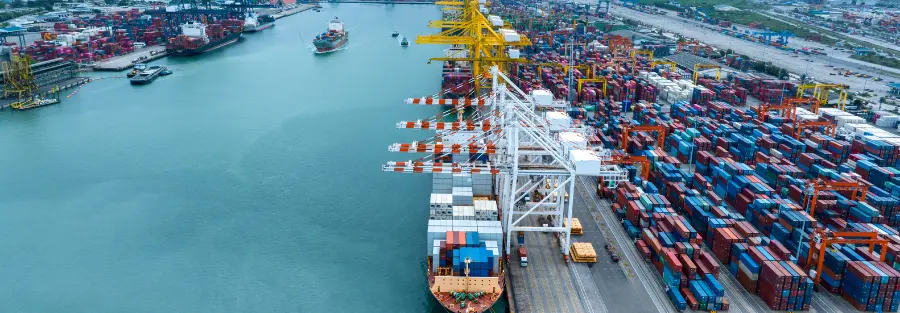
The enormous oceans that envelop our globe have long been essential conduits for international trade and business. Transporting goods that power the international economy, thousands of vessels navigate the globe’s rivers every day. Shipping, to be sure, involves risks that produce catastrophic losses, such as bad weather conditions, mishaps, and piracy. It is where marine insurance intervenes, providing the risk-bearing environment that prepares the ground for world trade. Let’s examine how marine insurance protects shipping operations and maintains the vitality of international trade.
The Essentials of Marine Insurance
Marine insurance can thus be described as a specialised subset category of travel insurance whose purpose is to shield against misfortunes or losses related to seaborne commerce. It has its roots in one of the oldest areas of risk management, which has been recognized since the beginning of trade history when merchants searched for ways to reduce the higher risks of sea voyages. Marine insurance has evolved greatly and has taken a structure that offers protection against so many types of risk.
Marine insurance is specifically meant to cater to the complex and often unforeseeable carrying out of the functions of marinization, unlike more popular insurance types, such as home and auto insurance. It usually includes coverage for the ships themselves, the cargo they transport, and any liabilities that might develop while at sea.
Streamlining International Trade
It is impossible to exaggerate how crucial maritime insurance is to enabling international trade. It enables companies of all sizes to engage in international trade with more confidence by acting as a safety net against the inherent risks of maritime transportation.
In poor nations, for example, small exporters can transport their goods to far-off markets with the assurance that they won’t lose anything. With the assurance that disruptions can be lessened by insurance payouts, large multinational firms can oversee intricate supply systems spanning many countries.
The unrestricted movement of commodities that supports our contemporary, interconnected economy is made possible by this risk transfer mechanism, which is a vital lubricant in the gears of international trade. International shipping would be much riskier and more expensive without marine insurance, which would probably result in increased consumer prices and a decline in global economic activity.
Handling Regulatory Environments
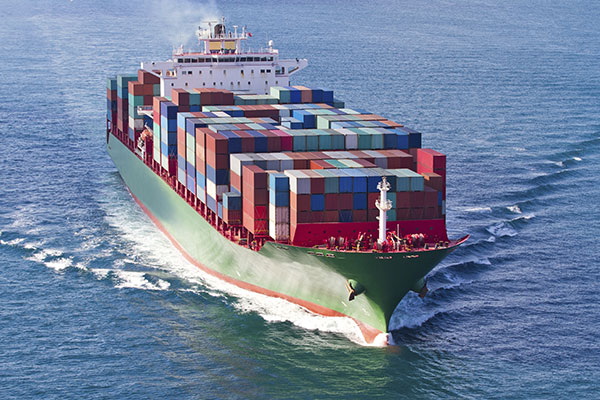
Marine insurance’s assistance in guiding shipping firms through the intricate regulatory framework of international maritime law is another crucial feature. For vessels traveling through their ports or operating in their waters, many nations have minimum insurance coverage requirements. Having the right insurance helps speed up the customs and port entrance processes in addition to guaranteeing adherence to these rules.
Having enough insurance coverage might also enable shipping businesses to promptly respond to accidents or environmental disasters and fulfill their legal obligations. This is especially important when there is an oil spill or other pollution, as quick action and cleanup are necessary to reduce environmental harm and legal culpability.
Adjusting to Novel Difficulties
Marine insurance is a dynamic field that changes with the shipping industry. Insurance companies face a variety of problems, including new hazards, evolving trading patterns, and new technology. For example, the increased danger of cyberattacks on shipping companies has prompted the creation of specific cyber risk coverage for maritime insurance policies.
Conclusion
Global shipping operations must run smoothly because the world is becoming more interconnected than ever. Marine insurance acts as a crucial safety net, offering the monetary stability and knowledge of risk management required to maintain the movement of commerce across the world’s waters.
Marine insurance offers several benefits that contribute to the safety of maritime operations, including protection against catastrophic losses, safety promotion, and regulatory compliance. To meet new difficulties and support the continuous expansion and development of global trade, marine insurance will need to continue evolving in the years to come.
Marine insurance, despite its often unsung role, is a true unsung hero of international trade, guaranteeing that the essential flow of goods that powers our world economy will continue unhindered, despite any hazards that may develop on the high seas. Marine insurance will always be available, offering the financial security and peace of mind that enable modern shipping as long as ships are allowed to navigate the waters.