
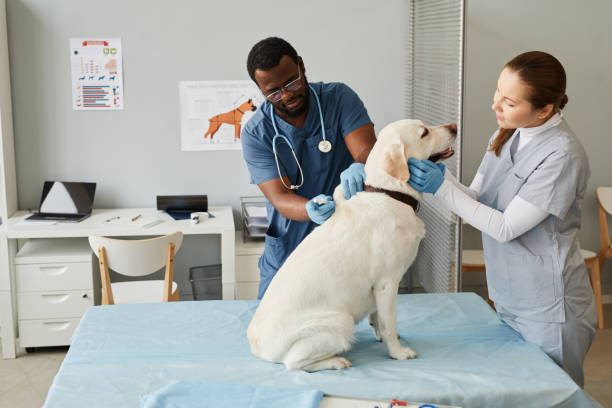
A day in a veterinary hospital is a testament to dedication, compassion, and expertise. Each day is unpredictable yet rewarding. From early morning to late evening, veterinary teams provide essential care. The Sumter veterinarian begins the day with routine check-ups. Each patient receives tailored attention and care. Preventive measures, like vaccinations and dental care, play a crucial role. Emergencies arise too. An unexpected injury or illness can turn the day on its head. The team jumps into action, diagnosing and treating with skill and precision. Surgeries, both planned and emergency, fill the schedule. Post-operative care ensures every animal recovers well. Throughout the day, love for animals shines through in every action. This commitment keeps the hospital running smoothly. Pet owners find reassurance in the hands of seasoned professionals. At the end of the day, every wagging tail and gentle purr serves as a reminder of the work’s importance.
Morning Routine: Setting the Stage
As the sun rises, the veterinary team prepares for the day’s demands. The morning starts with a review of the day’s schedule. Appointments are varied, including wellness checks, vaccinations, and follow-ups. Each visit requires careful planning. Organizing tasks ensures efficiency and thorough care for every animal. The morning routine also includes preparing examination rooms and sterilizing equipment. Clean environments are crucial for preventing infections and ensuring safety.
Preventive Care: Building a Healthy Foundation
Preventive care forms the backbone of any veterinary practice. It keeps pets healthy and detects potential issues early. Common preventive services include:
- Vaccinations
- Dental check-ups
- Nutritional counseling
Each of these plays a significant role in maintaining long-term health. For instance, vaccinations protect against common diseases and are crucial for public health, as explained by the American Veterinary Medical Association.
Handling Emergencies: Quick and Calculated Responses
Emergencies are part of life in a veterinary hospital. An unexpected situation demands a swift response. Veterinary teams are trained to handle these with calm and precision. Common emergencies include:
| Emergency Type | Immediate Action |
|---|---|
| Injury | Stabilize and assess |
| Illness | Diagnosis and initial treatment |
| Poisoning | Identify toxin and administer antidote |
The capacity to act quickly can often mean the difference between life and death. Having a well-coordinated team makes this possible.
Surgeries: Precision and Care
Surgeries are a vital part of the services offered at a veterinary hospital. They range from simple procedures to complex operations. Each requires meticulous preparation and skilled execution. The surgical team ensures all tools are sterilized. They also confirm that all equipment is functioning properly before any procedure begins. Anesthesia is administered with care, and constant monitoring is crucial throughout the surgery.
Post-Operative Care: Ensuring a Smooth Recovery
Once surgery concludes, attention turns to recovery. Post-operative care is essential for a successful outcome. This phase involves monitoring vital signs, managing pain, and ensuring comfort. The team keeps a close watch on the patient’s progress. Adjustments to care plans are made as needed to provide the best recovery. Proper post-operative care allows pets to return to their normal lives as quickly as possible.
End of the Day: Reflection and Preparation
As the day winds down, the team reviews the day’s activities. Reflections help identify areas for improvement and celebrate successes. Additionally, preparations for the next day begin. Everything is cleaned and organized. This ensures that the next day starts smoothly and efficiently. Each day at a veterinary hospital is unique, and filled with challenges and triumphs.
Conclusion: A Day Well Spent
Caring for animals is a noble profession, filled with moments that touch the heart. The dedication of veterinary teams makes a world of difference in the lives of pets and their owners. Through routine care, emergency response, and surgical precision, these professionals ensure our furry friends receive the best care possible. For more on veterinary practices and their importance, visit the Centers for Disease Control and Prevention. The bond between humans and animals grows stronger through each visit, each procedure, and each wag of a tail.
