
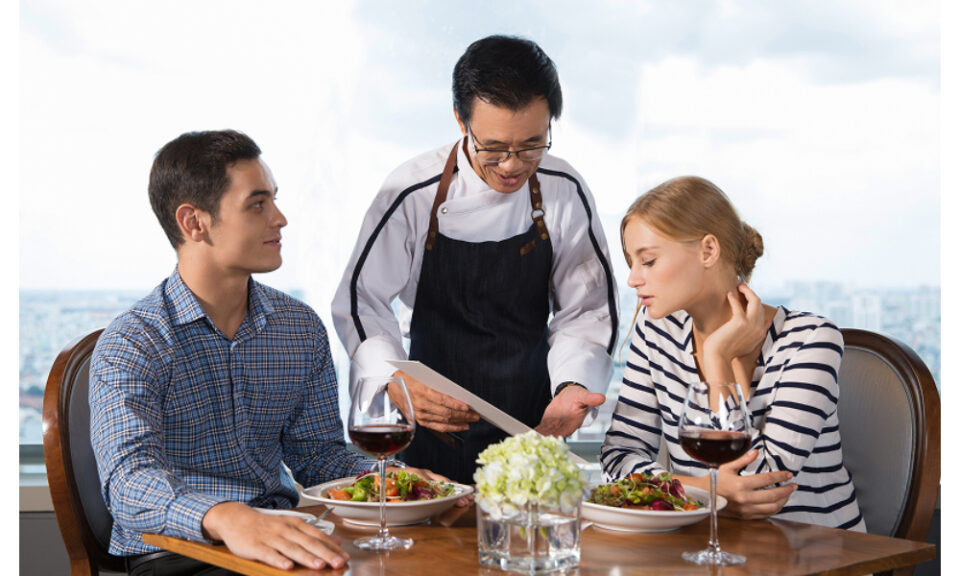
The hospitality industry continues to evolve rapidly, with cruise lines and airlines setting ever-higher benchmarks for service quality, efficiency, and customer satisfaction. These sectors demand highly skilled professionals who understand not only food preparation but also operational management, safety, and cultural awareness. A diploma in food and beverage management provides the specialised training required to equip graduates for such demanding roles, bridging academic knowledge with practical industry applications.
Meanwhile, in Singapore, institutions offering a food and beverage course in Singapore design their curriculum to align with international hospitality standards, ensuring graduates can thrive in complex and diverse environments such as luxury cruises and global airlines.
Cruise Catering
Cruise ships are essentially floating hotels, with thousands of passengers expecting varied dining options and premium service throughout their voyage. Managing food and beverage operations on a cruise presents challenges such as large-scale menu planning, international cuisine preparation, and strict adherence to safety and hygiene protocols. A diploma in food and beverage management addresses these challenges by providing training in menu engineering, supply chain logistics, and cross-cultural customer service, all of which are critical in maintaining consistent quality at sea.
Graduates are also exposed to inventory control and waste reduction modules, which are particularly critical in cruise operations where provisions need to last weeks between port stops. Effective stock management ensures smooth operations and prevents food shortages or wastage. Furthermore, leadership and team management modules prepare students to supervise multinational teams working across different outlets on board, including fine dining restaurants, buffets, bars, and speciality kitchens. Diploma holders are ready to take on roles where service delivery and efficiency must always remain balanced by mastering both operational and supervisory skills.
Another critical requirement in cruise catering is compliance with international maritime food safety standards. Cruise operators must maintain rigorous health inspections and comply with regulations such as the Vessel Sanitation Programme (VSP). A food and beverage course often incorporates these aspects into its curriculum, teaching graduates the importance of hygiene audits, food safety management, and quality assurance, all of which directly contribute to passenger well-being and brand reputation.
The exposure to global cuisines also plays a critical role. Cruises attract international passengers, so menus must reflect cultural diversity. Students gain insights into international menu development through training, equipping them with the creativity and adaptability required for an industry where culinary offerings can significantly enhance the overall guest experience.
ALSO READ: Food Safety Guidelines in Singapore: What F&B Businesses Need to Know
Airline Catering
Airline catering operates under very different circumstances from cruise catering. Instead of preparing meals on site, airlines typically rely on large-scale central kitchens located near airports. Meals must be produced efficiently, transported securely, and stored under strict conditions before being served on flights. This instance requires precision, portion control, and compliance with stringent aviation regulations. A diploma in food and beverage management equips graduates with the skills to manage these complex workflows, from kitchen operations to coordination with multiple stakeholders such as suppliers, airlines, and airport authorities.
Airline catering also requires a strong understanding of customer preferences and service differentiation. Airlines compete to deliver memorable in-flight experiences, and food is a critical part of this branding. Diploma graduates learn how to design menus that cater to different cultures and dietary needs, ensuring inclusivity and enhancing passenger satisfaction. Many institutions offering a food and beverage course also provide training in menu design, nutritional considerations, and customer-focused service planning.
Food safety certification is another essential area. Most airline caterers must comply with Hazard Analysis and Critical Control Points (HACCP) standards, as well as aviation-specific regulations. Diploma programmes often include case studies and practical exposure to these standards, ensuring graduates are ready for the highly regulated environment of aviation catering.
Crisis and contingency planning are equally important in this sector. Delayed flights, last-minute passenger changes, or emergency adjustments to catering loads are common challenges. A food and beverage course trains students to anticipate these disruptions and adopt problem-solving approaches that ensure minimal impact on service delivery. This adaptability is a vital skill for anyone working in airline catering, where timing and accuracy are non-negotiable.
Conclusion
Both cruise and airline catering require a unique mix of culinary expertise, operational management, and regulatory compliance. A diploma in food and beverage management provides this foundation, preparing graduates to take on specialised roles that extend beyond restaurants and hotels into global hospitality sectors. A food and beverage course equips individuals to handle the demanding nature of cruise dining operations and airline catering logistics by combining theory, practical training, and industry exposure. Due to these skills, graduates can pursue careers that not only meet industry standards but also contribute to shaping exceptional dining experiences for passengers across the world.
Visit Avanta Academy and let us help you expand your career options in hospitality.
